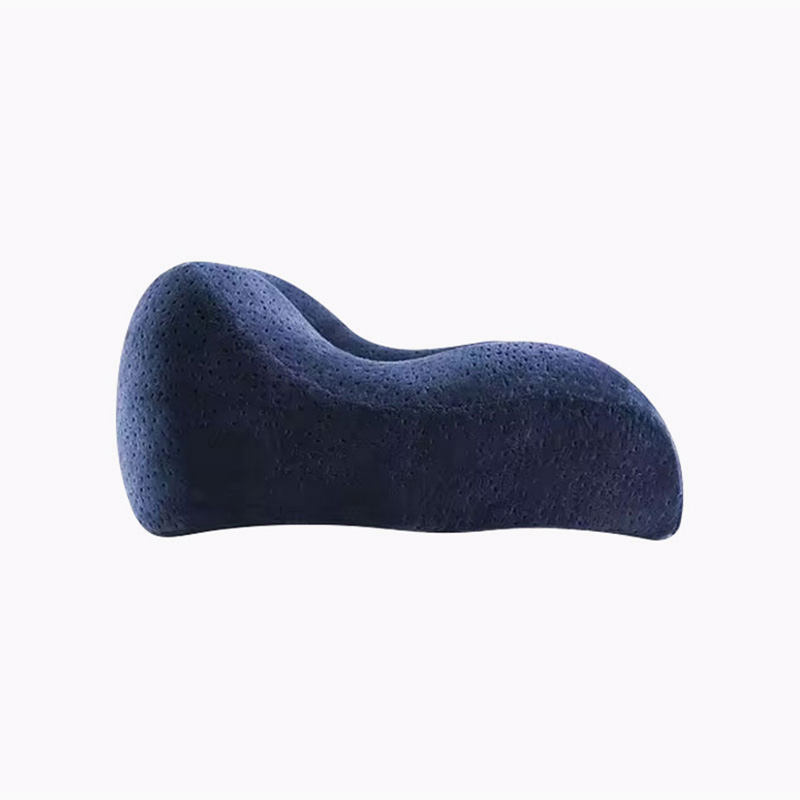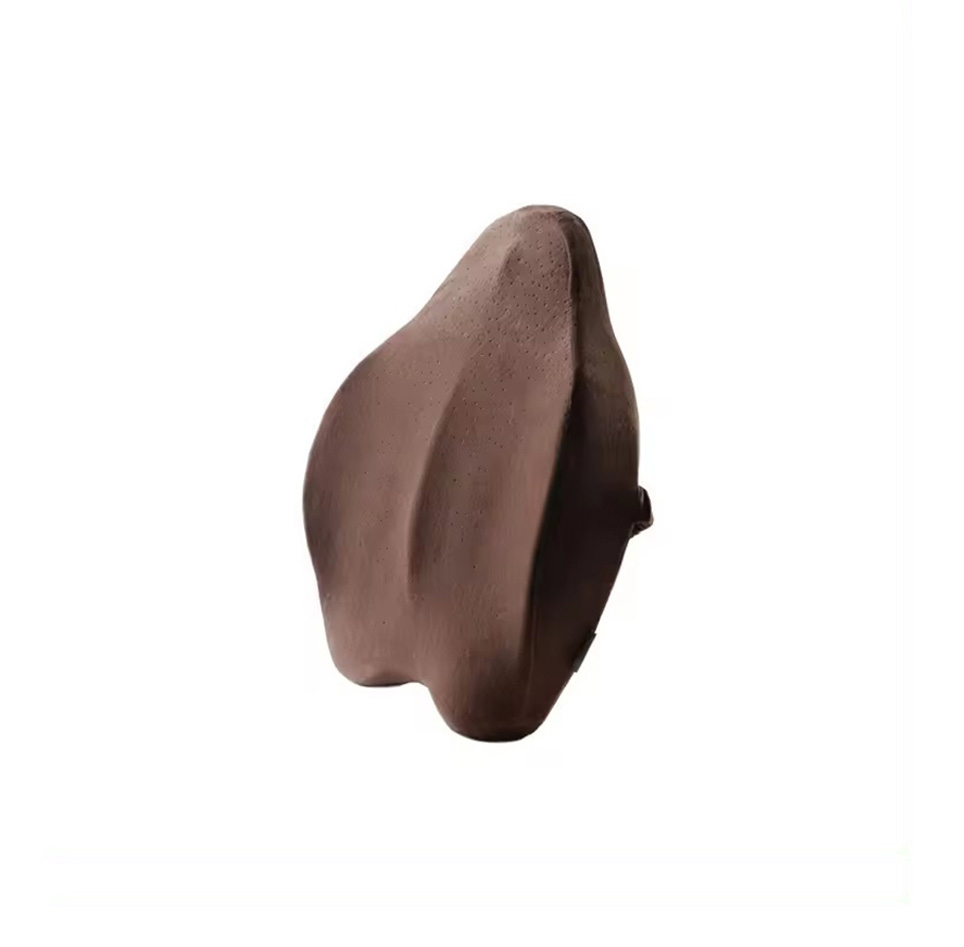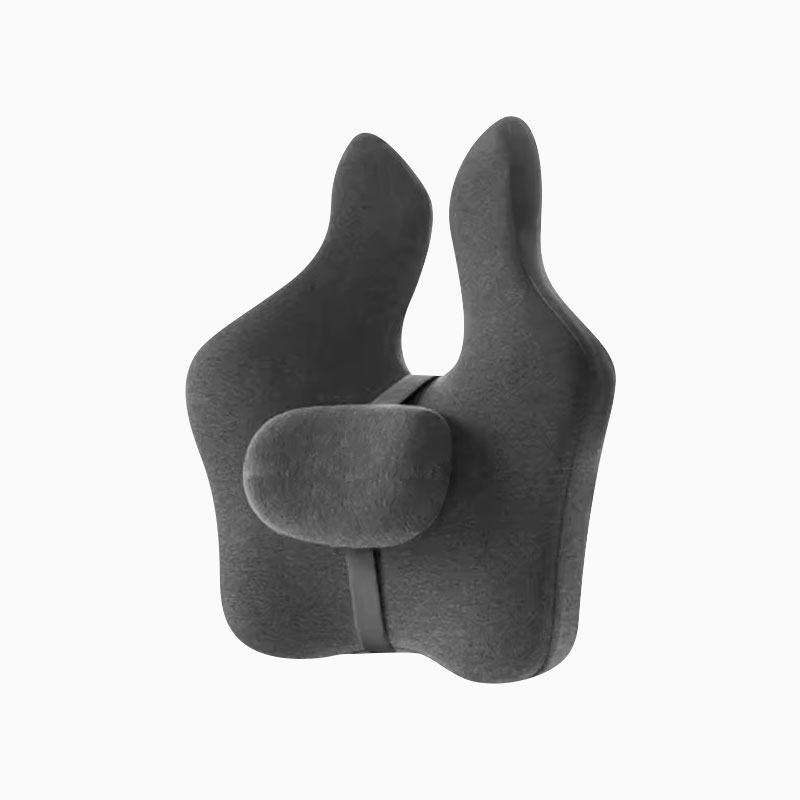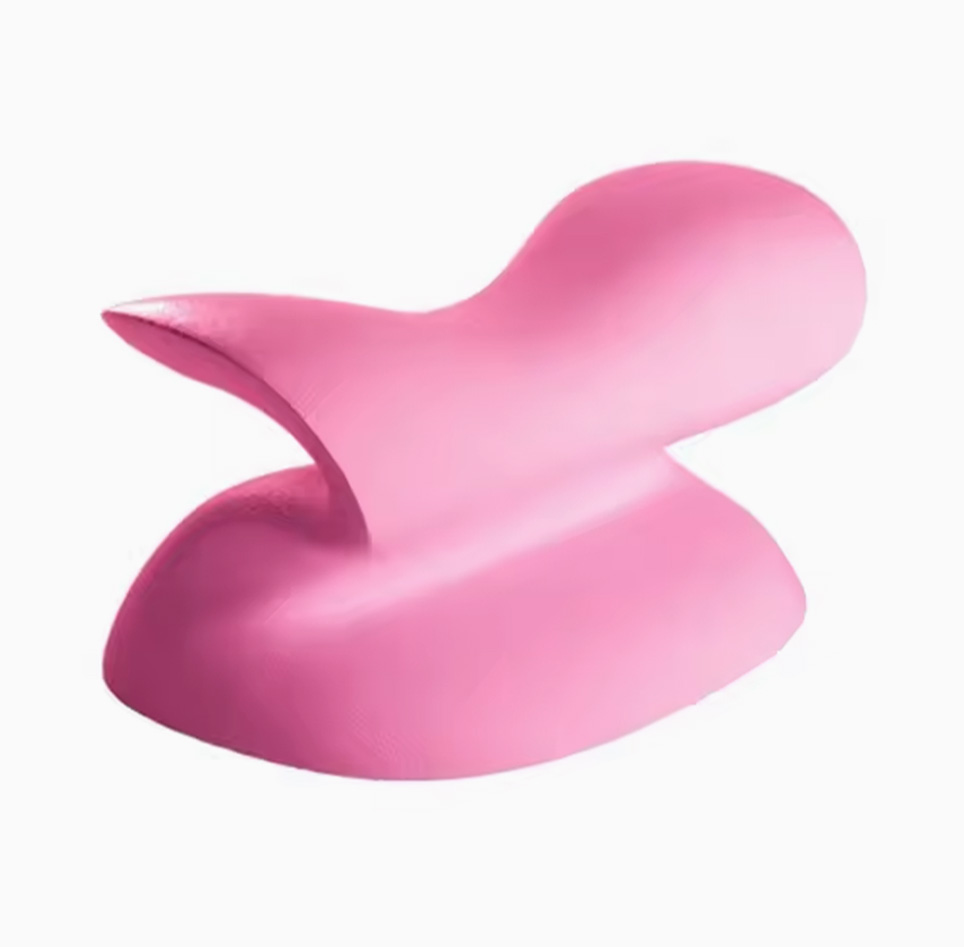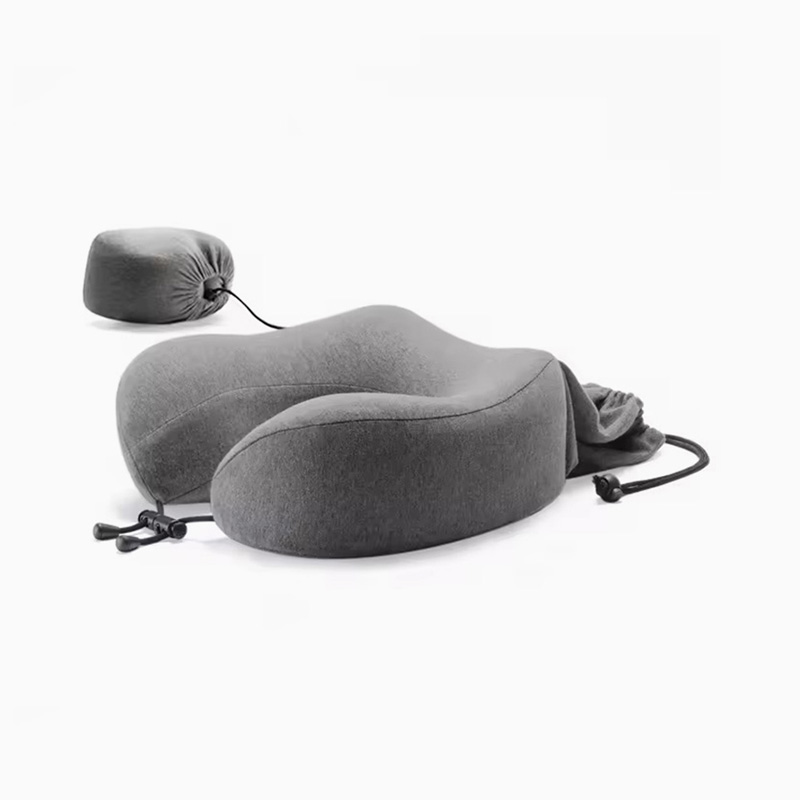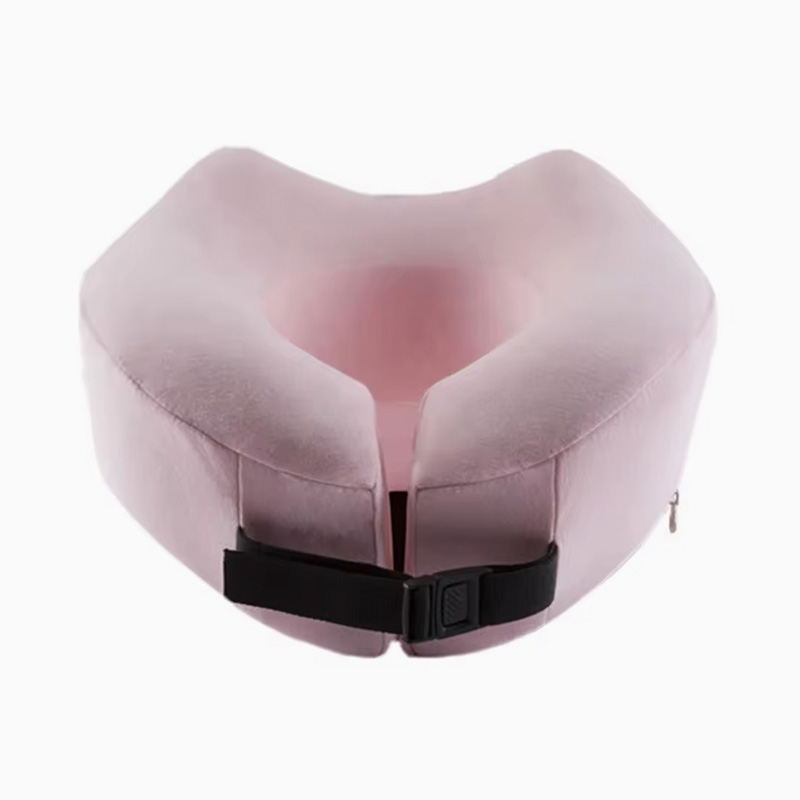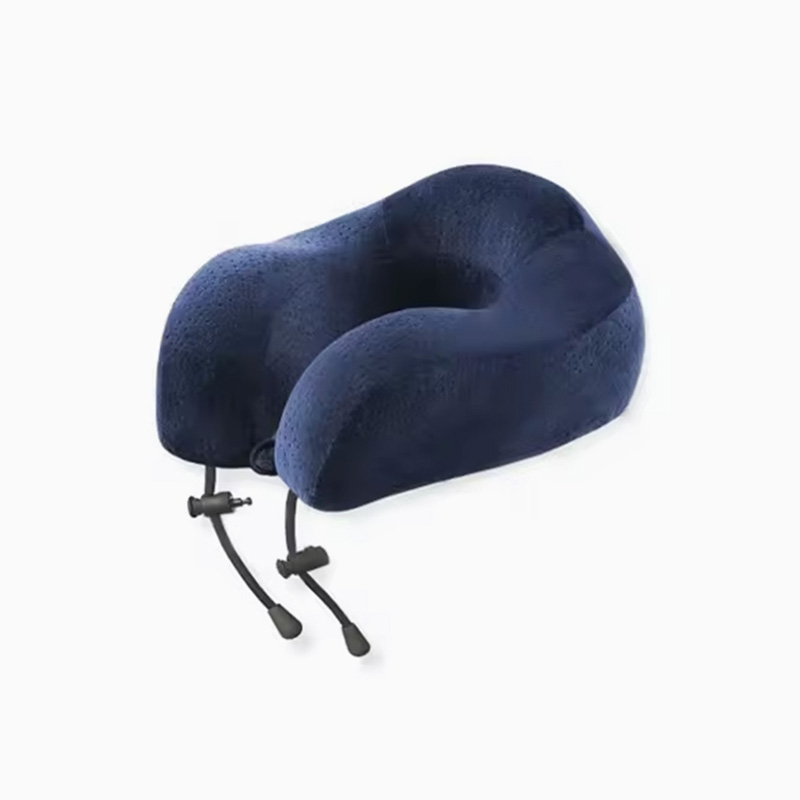
Why is a memory foam neck pillow essential for cervical health during long travel
In daily commuting, long-distance travel, and office nap scenarios, cervical health has become a focus of modern attention. The iteration of neck support products has evolved from inflatable and pellet-filled types to the currently mainstream memory foam neck pillow. As a highly viscoelastic material, polyurethane memory foam can deform according to body temperature and pressure, providing uniform support. This characteristic makes it outstanding in improving sleep quality and relieving cervical pressure.
The Core Material of Memory Foam Travel Pillow: High Density and Rebound Mechanism
The core competitiveness of a high-quality Memory Foam Travel Pillow lies in the density of the inner core and the open-cell structure. High-density memory foam (usually between 50D-80D) can provide finer force transmission. When the head leans back or to the side, the pillow core accurately captures the cervical curve, filling the gap between the neck and the seat. This dynamic support mechanism effectively avoids poor blood circulation caused by excessive local pressure and reduces fatigue during the journey.
At the same time, the rebound time of the material is also an important indicator of professionalism. The standard rebound time should be controlled between 3 to 5 seconds. Rebound that is too fast fails to provide sufficient buffering force, while rebound that is too slow creates a sense of lag when turning over or adjusting posture, failing to keep up with changes in neck position in time.
Technical Breakthroughs for Temperature Sensitivity: The Cooling Principles of cooling neck pillow
Traditional memory foam often creates a sense of heat accumulation due to its closed molecular structure, which significantly reduces the user experience in summer or high-temperature cabins. To solve this pain point, the cooling neck pillow introduces multi-dimensional temperature control technologies:
1. Gel Attachment Layer: A layer of cooling gel is composited on the surface of the foam neck pillow, which cools down physically through heat conduction and quickly takes away heat from the skin surface.
2. Open-cell Ventilation Process: During the molding process of the pillow core, vertical or horizontal ventilation channels are preset to enhance air convection.
3. Phase Change Material Cover: Fabric using PCM (Phase Change Material) fibers is used to keep the surface touch within a comfortable range for the human body.
The application of these technologies makes the memory foam neck pillow no longer just a support tool, but a micro-environmental regulation system that can significantly reduce difficulty in falling asleep caused by stuffiness.
Structural Design and Functional Parameter Comparison
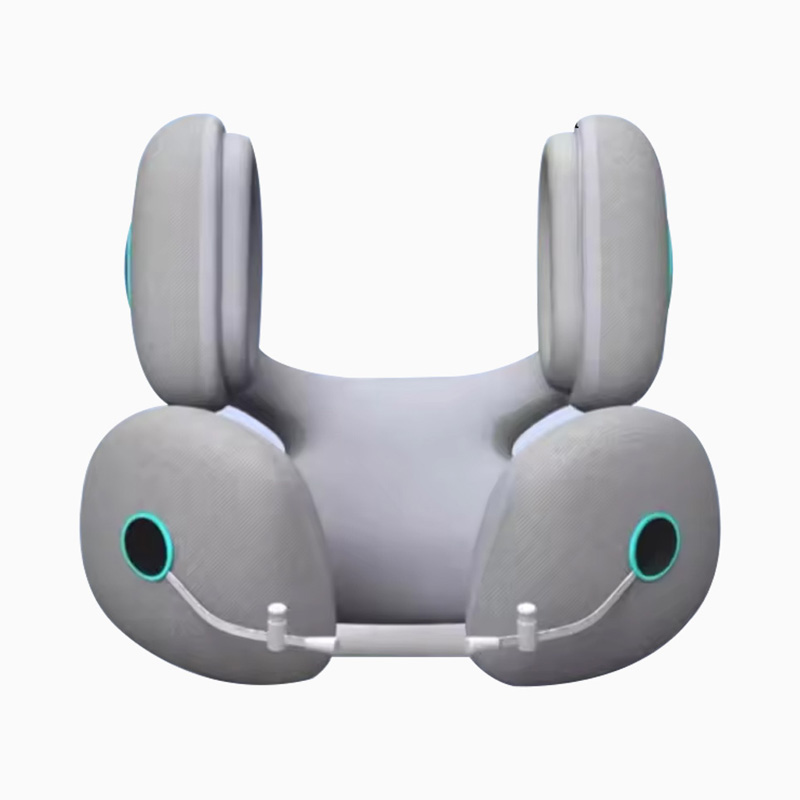
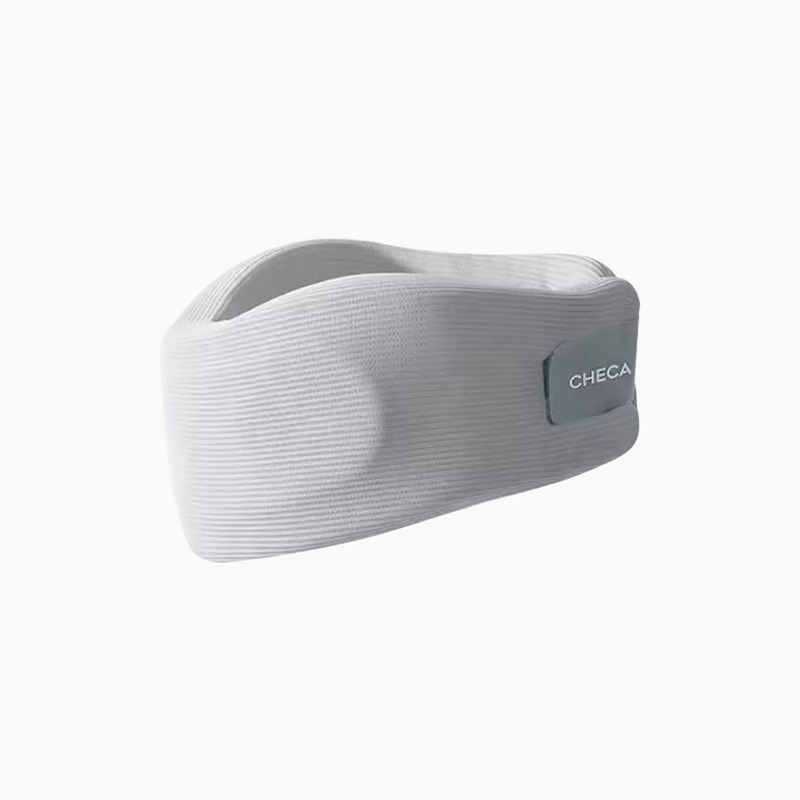
When choosing the memory foam neck pillow travel series, the structural design directly determines the premium feel of the support. Currently, the mainstream designs in the market include the traditional U-shaped structure, the wrap-around structure, and the hump support structure. The following is a functional parameter comparison for different forms and configurations:
| Key Parameters | Traditional U-shaped foam neck pillow | Hump-style Memory Foam Travel Pillow | Cooling-type cooling neck pillow |
| Support Focus | Basic rear neck support | 360-degree all-round support | Neck temperature control and occipital support |
| Typical Density | 45D - 55D | 50D - 65D | 60D - 80D |
| Cover Material | Skin-friendly velvet / Cotton fabric | Bird-eye cloth / Magnetic therapy cloth | Cooling silk / Gel fiber |
| Applicable Scenarios | Short-distance driving, simple naps | Long-haul flights, high-speed rail | Hot seasons, prone to sweating |
| Storage Performance | Roll storage (50% reduction) | Compression storage (60% reduction) | Slightly larger (affected by gel layer) |
Solving Pain Points in Practical Application: How to Extend Service Life
After purchasing a memory foam neck pillow, users often encounter cleaning and maintenance difficulties. Since memory foam is hygroscopic and cannot be washed directly with water (washing leads to destruction of the molecular structure and loss of rebound performance), the ease of removing the cover is crucial.
High-quality memory foam neck pillow travel products are usually equipped with invisible zippers, and the outer fabric cover supports machine washing, while the inner core is recommended to be placed in a cool, ventilated place to dry naturally. For a cooling neck pillow with a gel layer, prolonged exposure to direct sunlight should be avoided to prevent the gel from oxidizing and hardening.
Multi-dimensional Mechanical Support: Comfort from Laboratory Data
According to pressure distribution tests in ergonomics laboratories, when using a professional memory foam neck pillow, the average pressure on the neck is reduced by approximately 45% compared to not using any support product. This pressure release stems from the "zero pressure" characteristic of the material. In practical applications, this means that wearing a Memory Foam Travel Pillow can effectively maintain the cervical spine in its natural physiological curve (an anterior tilt angle of about 10 to 15 degrees), preventing soreness caused by excessive muscle stretching.
In summary, whether it is the memory foam neck pillow travel pursuing ultimate portability or the cooling neck pillow focusing on sensory regulation, the underlying material science logic and human structure adaptability are the keys to determining product value. By deeply understanding the density, temperature response, and structural mechanics of memory foam, users can scientifically manage their cervical health and optimize every rest experience.
 message précédent